| ||||||||||||||||||||||||||
| [Source] | ||||||||||||||||||||||||||
Walking with Beasts - broadcast in North America as Walking with Prehistoric Beasts - is a six-part television documentary produced by the BBC, narrated by Kenneth Branagh, and first aired in the United Kingdom in 2001. In North America, the original Discovery Channel broadcast was narrated by Stockard Channing. Like its predecessor, Walking with Dinosaurs, it recreates life in the Cenozoic Era by using a combination of both computer-generated imagery and animatronics, beginning from the Paleogene epoch and ending in the Late Pleistocene. However, the Miocene epoch and Paleocene epoch are not included.
Also like its predecessor, it was re-edited and re-narrated as a second "season" of Prehistoric Planet for the Discovery Kids lineup. Some of the concepts it illustrates are the evolution of whales, the evolution of the horse, and the evolution of humans.
Episodes
| Image | Episode title | Episode number | Original airdate | |
|---|---|---|---|---|
|
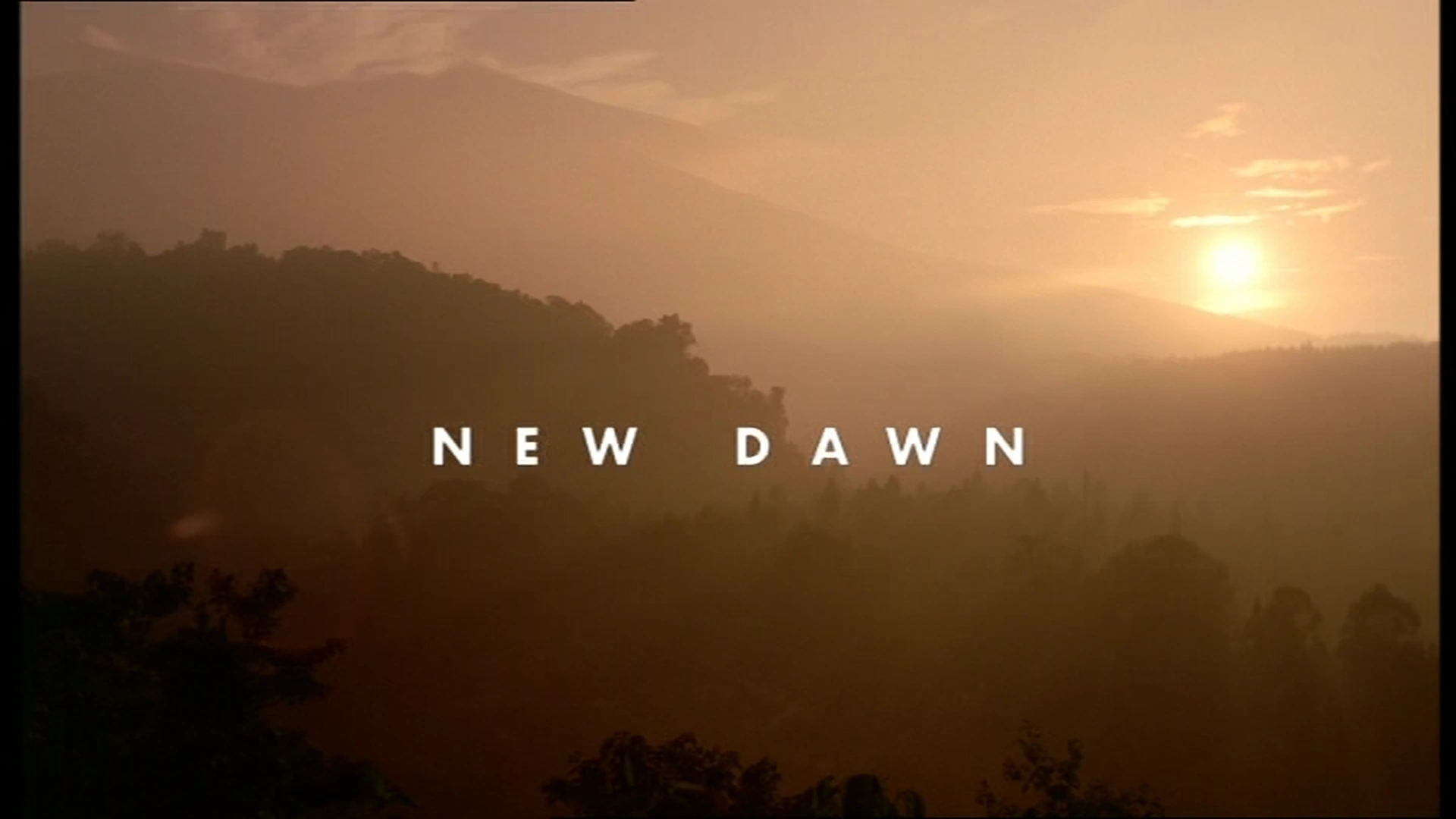
New Dawn | 1 | 15 November 2001 | |
| The first episode focuses on the warm and tropical world of the early Eocene, 16 million years after the extinction of the non-avian dinosaurs. During this time, the mammals still have remained small, for there is little space for them to get back in the crampled conditions of the jungle, and birds - who were already large in the Mesozoic - dominate the world as shown by Gastornis, the first of such flightless giants. | ||||
|
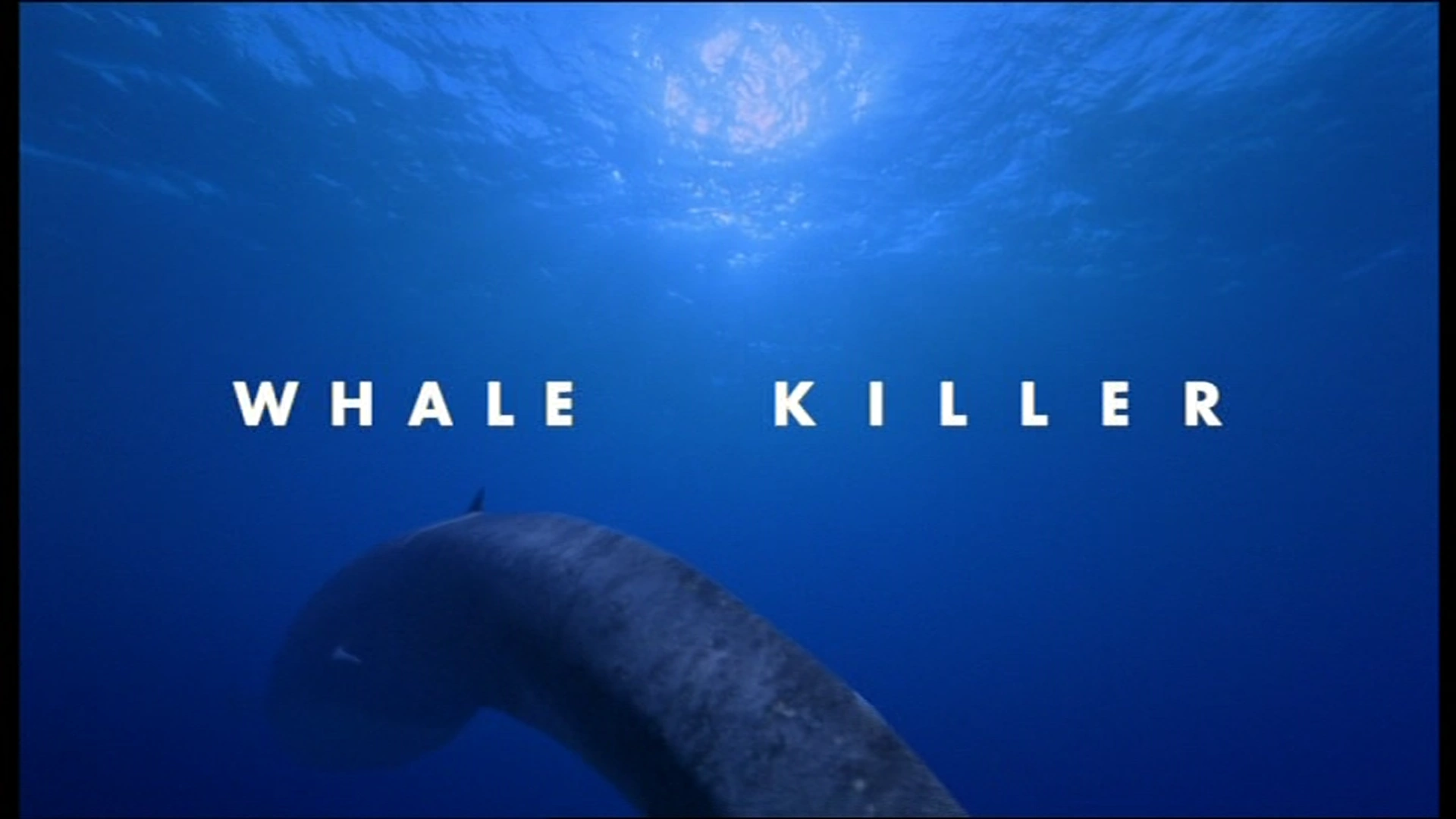
Whale Killer | 2 | 22 November 2001 | |
| The second episode is set in late Eocene, when the polar caps froze over and drastically change the Earth's ocean currents and climate. The episode follows an early whale, Basilosaurus and how the world is changing into an ocean famine. We also follow on land an Andrewsarchus, the largest land mammal predator ever to walk the earth, and the prehistoric rhino Embolotherium. | ||||
|
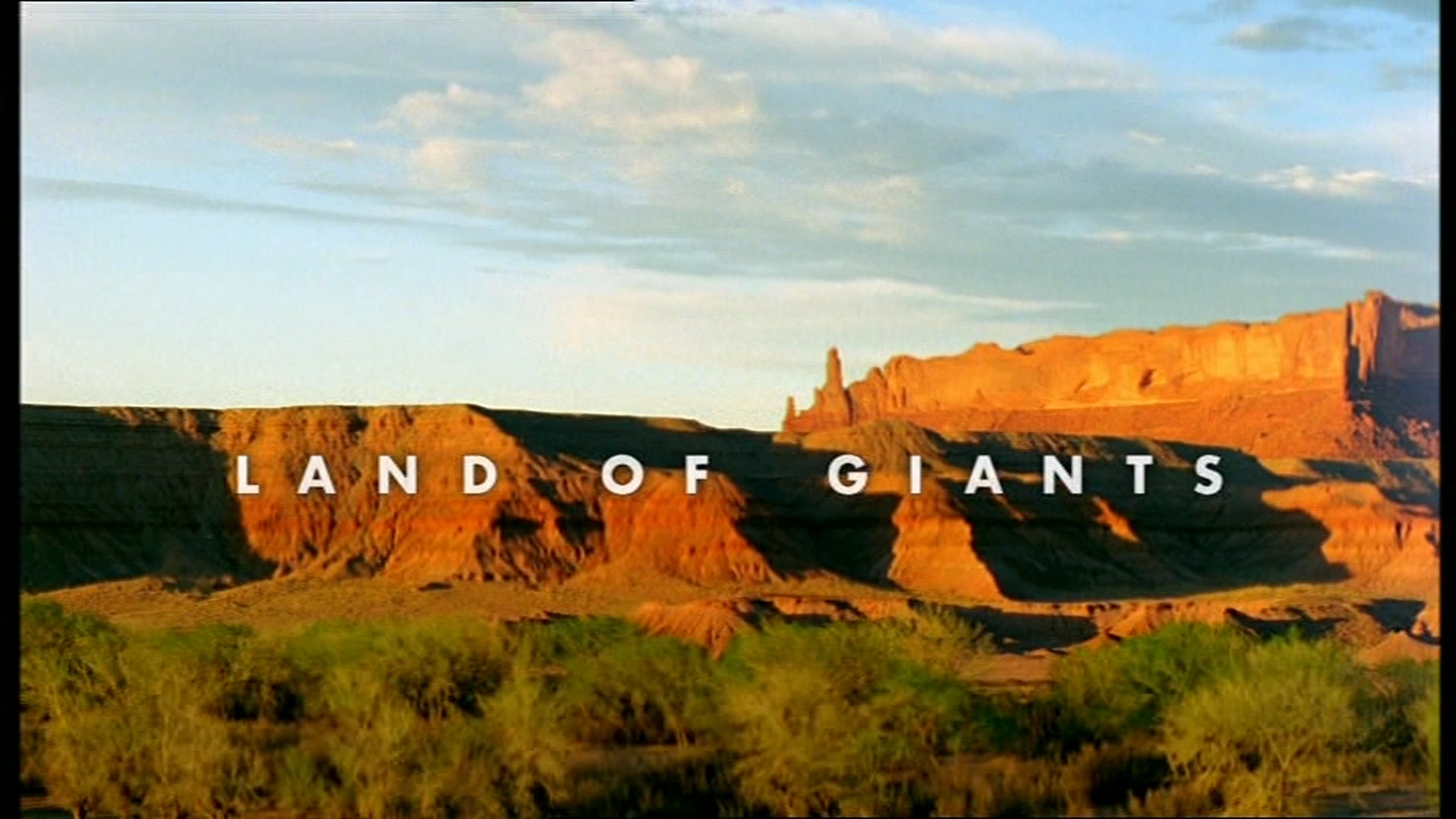
Land of Giants | 3 | 29 November 2001 | |
| The third episode takes place during the late Oligocene, in Mongolia, where there were seasonal rains followed by a long drought. It tells the story of a mother Indricotherium, a massive hornless cousin of the modern rhinoceroses that was the largest land mammal to have ever lived. It also features the Entelodon, and the Hyaenodon. | ||||
|
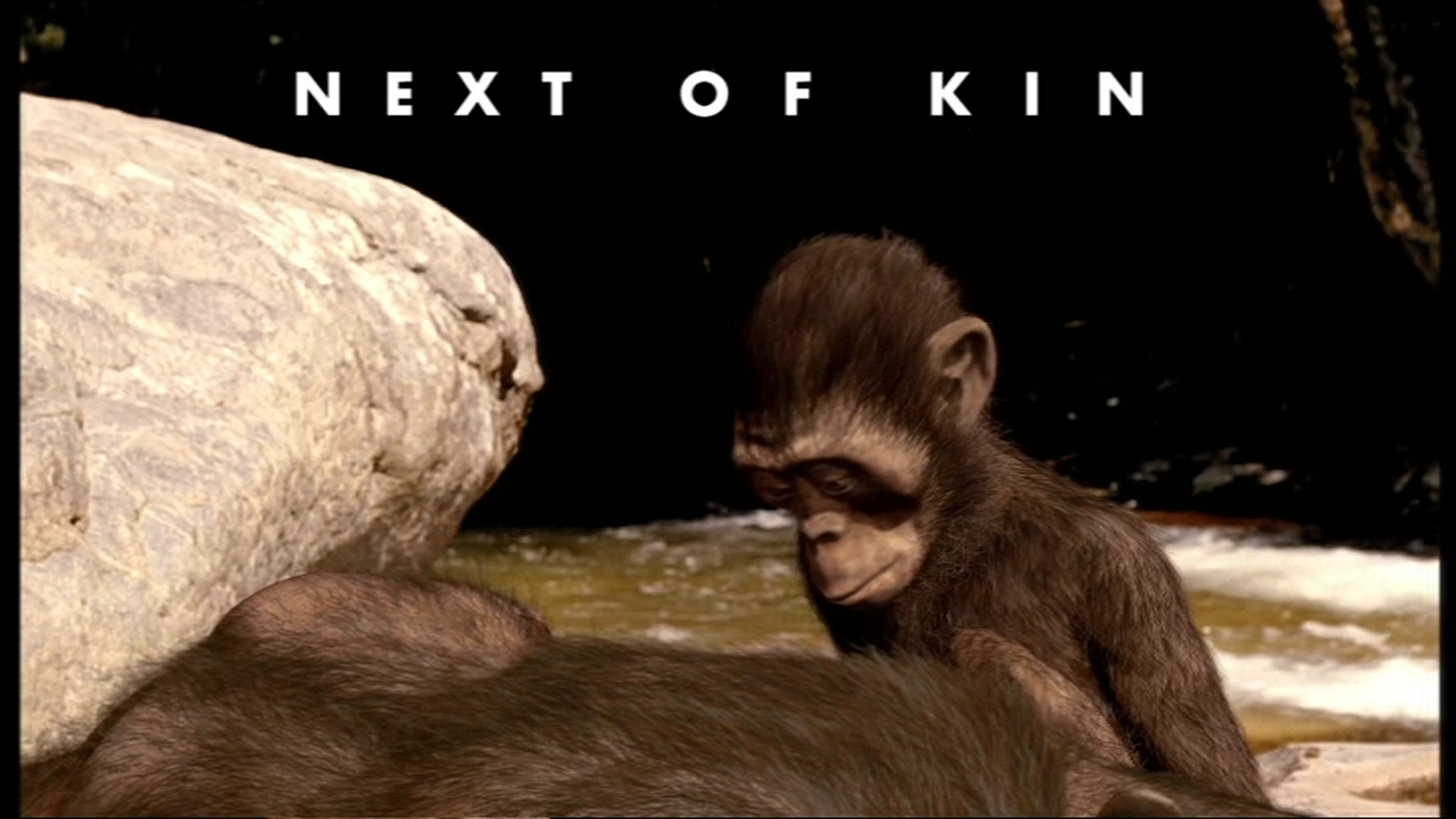
Next of Kin | 4 | 6 December 2001 | |
| The fourth episode takes place in the Great Rift Valley in northeastern Africa. The episode focuses around a tribe of small hominids known as Australopithecus, one of the first apes able to walk upright and a close ancestor to humans. Some of the topics explored in the episode are the close social bonds among the tribe, how they use grooming as a means of communication, and how they work together to forage for food and to defend one another from attacks from such animals as an angry male Deinotherium, an ancestor of the modern elephant which they have to run from to avoid being crushed, and the feline predator Dinofelis. | ||||
|
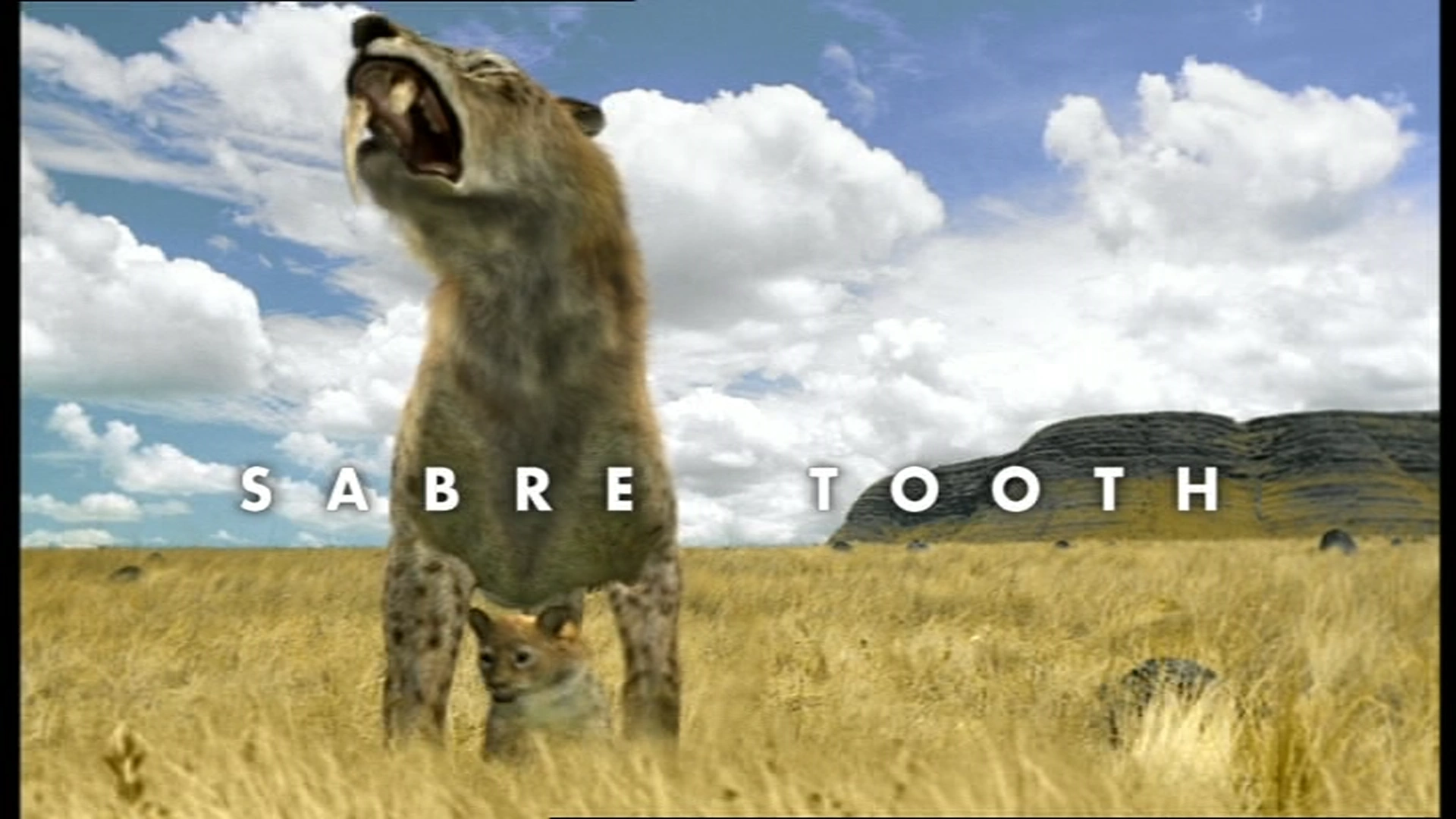
Sabre Tooth | 5 | 13 December 2001 | |
| The fifth episode shows the strange fauna of the isolated continent of South America and explores the effects of the Great American Interchange, which had happened 1.5 million years earlier. The episode focuses on a male Smilodon, a sabre-toothed cat, called Half Tooth, whose leadership of a pride is threatened by two males who are brothers and work together against him. The rival males ultimately chase off Half Tooth (actually Half Tooth backs off wisely without any serious injuries, feeling that the two males would be too strong for him), kill his cubs, and take over his pride. | ||||
|
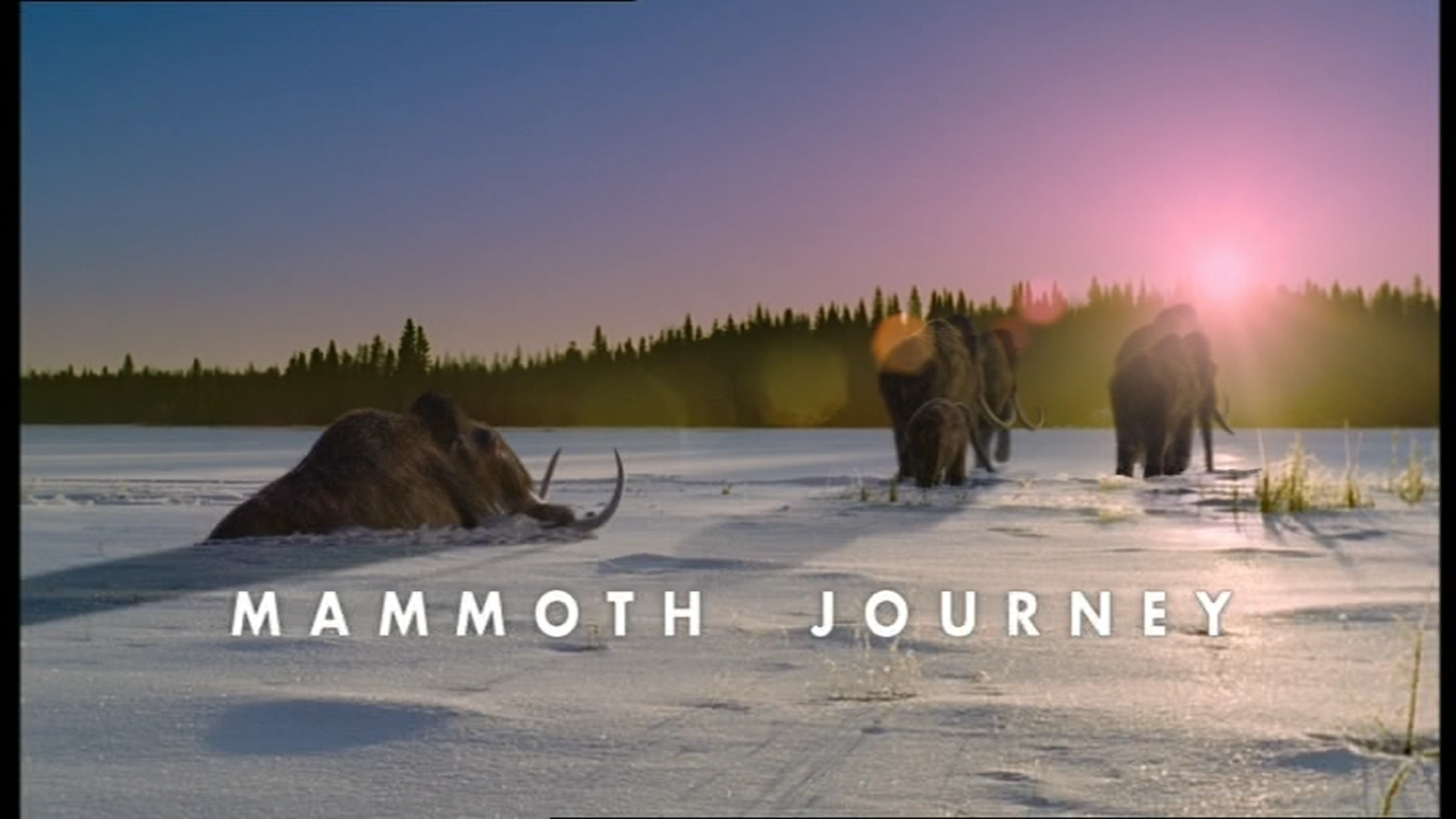
Mammoth Journey | 6 | 21 December 2001 | |
| The sixth episode takes place during the last Ice Age. It starts in the peak of the summer. The North Sea has become a grassy plain because the ice at the polar caps has caused the sea levels to drop significantly. Grazing on the plain are herds of Woolly mammoths, wild horses, and bison. A clan of Cro-Magnons are also there spending the summer. The central focus of the episode is the migration of the herd of mammoth as they travel 400 kilometers from the North Sea to the Swiss Alps for the winter and then back again in the spring. | ||||
Specials
| Image | Special title | Special number | Original airdate | |
|---|---|---|---|---|
|
Triumph of the Beasts | 1 | 21 November 2001 | |
|
The Beasts Within | 2 | 28 November 2001 | |
Creation
Sound effects[1]
The sound design for Walking with Beasts, led by Kenny Clarke and Jovan Ajder, involved creating custom animal noises using inventive techniques. Foley effects were employed to simulate footsteps and animal movements, such as driving a log into the ground to produce deep thuds for large mammals. While some sounds came from manipulated recordings—like reversing an otter’s call for Leptictidium—others were built by layering noises from real animals. For instance, the Gastornis was given a combination of monkey sounds and a snake’s tail rattle to create its distinct vocalization.
Building a Sound Library
To match the scale of the series, the team needed a diverse library of unique sound effects. While they sourced some sounds from existing archives, they often found them unsuitable due to background noise or limited variety. This led to creative experimentation, such as combining a donkey, elephant, and snake for the Entelodont’s call. For other creatures, they used unusual blends: the baby Indricothere’s vocalizations were a mix of bear and rhino sounds, while a walrus’s roar became the voice of the Embolotherium. Developing these custom effects was time-consuming, but it provided the precision needed to give each creature its own personality.
Synchronizing Sound with Animation
The synchronization process was challenging, as sound designers often worked with incomplete animations, using early versions to guide their work. TITAN software allowed the team to track changes as new edits arrived, ensuring the sounds aligned with the creatures’ movements. Temporary sound mixes were shared with animators, allowing them to adjust the characters' actions to match the intended audio. Once the final animations were locked, foley sessions captured detailed movements like rustling leaves and footsteps. All elements—foley, animal sounds, music, and voiceovers—were mixed into 64 audio tracks, producing a seamless stereo mix that enhanced the realism of the creatures and environments.
CGI[2]
The visual effects for Walking with Beasts were handled by FrameStore, who had previously worked on Walking with Dinosaurs. Their process began with clay sculptures of the creatures, which were scanned using laser technology to create detailed 3D computer models. These digital models served as the foundation for animation, allowing animators to build realistic movements for each creature.
Animating Mammals: A Complex Task
Animating mammals presented more challenges than dinosaurs due to their complex, flexible movements. Unlike dinosaurs, which had rigid faces with minimal motion, mammals required lifelike details such as twitching whiskers, floppy ears, and quivering lips. Achieving realistic movements was essential, as viewers are more familiar with how mammals behave and would easily detect inaccuracies. The animation process involved creating loops called “cycles” for actions like walking, running, and resting, ensuring the creatures appeared natural on screen.
Integrating Animation with Real Environments
Seamlessly combining animated creatures with real-world backgrounds was another crucial aspect. The animators synchronized the creatures' actions with environmental elements, such as matching a footstep to a puddle splash or coordinating a head tilt with a moving leaf. These interactions enhanced the realism of the scenes. One of the most challenging animations involved “Lucy,” an Australopithecus, as her movements had to convey a blend between ape and human. Among the many creatures, the team took particular pride in the Woolly Mammoth, whose fur animation exceeded expectations, making it a highlight of the series.
Animatronics[3]
Models were programmed to perform lifelike movements synchronized with pre-recorded audio. For Walking with Beasts, the animatronics were developed by Crawley Creatures and Associates, who shared insights into the challenges of the project.
Challenges of Animating Mammals
Bringing ancient mammals to life posed unique technical and artistic challenges compared to dinosaurs. The team needed to replicate detailed features such as fur, flexible skin, and expressive facial movements, which required more intricate animatronics. The creation process began with clay sculptures, which were used to produce silicone or latex skins. Mechanical structures were carefully built to move various parts like eyes, ears, and lips, while complex engineering rigs allowed for smooth motion during filming. The larger animals, like the mammoth, involved extensive work, including months spent applying yak hair to achieve realistic fur.
Filming and On-Set Operations
The animatronics had to be transported to diverse filming locations, from snowy regions to tropical landscapes, requiring precise logistics to avoid adverse weather. Seamlessly integrating the creatures with their environments was crucial for realism; animators ensured the models interacted convincingly with the surroundings, such as making a head tilt in response to a moving leaf. Over 40 different animatronic elements were used throughout the project, including full-body models for specific scenes, such as a mammoth carcass being butchered. In addition to the animatronics, prosthetics were used for actors portraying early humans, blending makeup and mechanical effects to bring prehistoric life vividly onto the screen.
Music[4]
In creating the music for Walking with Beasts, Ben Bartlett emphasized the importance of visual cues to guide his creative process. The pictures provide the necessary inspiration, allowing the music to complement each scene’s atmosphere—whether it’s delicate or intense. His goal was to craft a narrative coherence, ensuring the music acted as a "glue" to connect different scenes and enhance the emotional impact of the story.
Crafting Themes for Scenes
The process began with collaborative viewings of each episode alongside the director. In these early stages, the scenes were stripped of most audio, creating a blank canvas for the composer. The music needed to align with each scene's emotional tone—whether tender moments between a mother and child, or violent survival encounters. To connect contrasting moments, the composer used similar harmonies or melodies across different scenes, even if the sounds and rhythms were entirely different. For example, a soothing lullaby might share subtle motifs with later aggressive themes, maintaining emotional continuity.
Developing a Series-wide Musical Identity
Beyond individual episodes, the challenge was to create a unifying musical theme that spanned the entire series. Unlike Walking with Dinosaurs, which employed sweeping orchestral grandeur to reflect the dinosaurs' dominance, the beasts demanded a different approach. The composer described them as "blood, mud, and desperation," which led to a raw, unsophisticated musical style. To capture this primal essence, he created "Hogs Blood," a track characterized by rhythmic irregularities and crashing blocks of sound, evoking tribal beats and chaotic animal movements. This crude musical framework acted as the backbone for the series, allowing experimentation while maintaining thematic cohesion.
Finalizing the Musical Structure
With the backbone in place, the composer had a flexible musical DNA that could adapt to different creatures and situations throughout the series. Melodies and rhythms transformed into narrative tools: crotchets became hooves, and quavers became bristles. By maintaining this consistency across scenes and episodes, the music became an integral part of the storytelling. This structure ensured that, whether depicting playful animals or harsh survival, the musical themes resonated with authenticity and tied the entire narrative together.
Censorship
In the US version the Australopithecus afarensis mating scene was blurred.
Reception
The first episode attracted 8.5 million views on the first day.[5]
Gallery
Videos
Scientific inaccuracies
- Main article: List of scientific errors
Companion book
A companion book was written by Tim Haines to accompany the first screening of the series in 2001. Unlike Walking with Dinosaurs, this book is more accurate in describing each episode, and there are no interesting setting changes. On the other hand, as with Walking with Dinosaurs, the written version of Walking with Beasts elaborated on the background for each story, went further in explaining the science on which much of the program as based, and included descriptions of several animals not identified or featured in the series.
Related Media
Andy's Prehistoric Adventures
Andy's Prehistoric Adventures is an educational television series targeted towards young children which aired on CBeebies. The series often uses scenes and footage from Walking with Beasts to depict the creatures mentioned in the programme.
External links
- Walking with Beasts
- Walking with Beasts Series 1 Episodes
- The Science of Walking with Beasts Episodes
Footnotes
- ↑ https://web.archive.org/web/20021222190745/http://www.bbc.co.uk/beasts/makingof/sound/
- ↑ https://web.archive.org/web/20011118030900/http://www.bbc.co.uk/beasts/makingof/models/index.shtml
- ↑ https://web.archive.org/web/20011115111234/http://www.bbc.co.uk/beasts/makingof/anim/
- ↑ https://web.archive.org/web/20030415102651/http://www.bbc.co.uk/beasts/makingof/sound/music.shtml
- ↑ https://www.theguardian.com/media/2001/nov/16/overnights